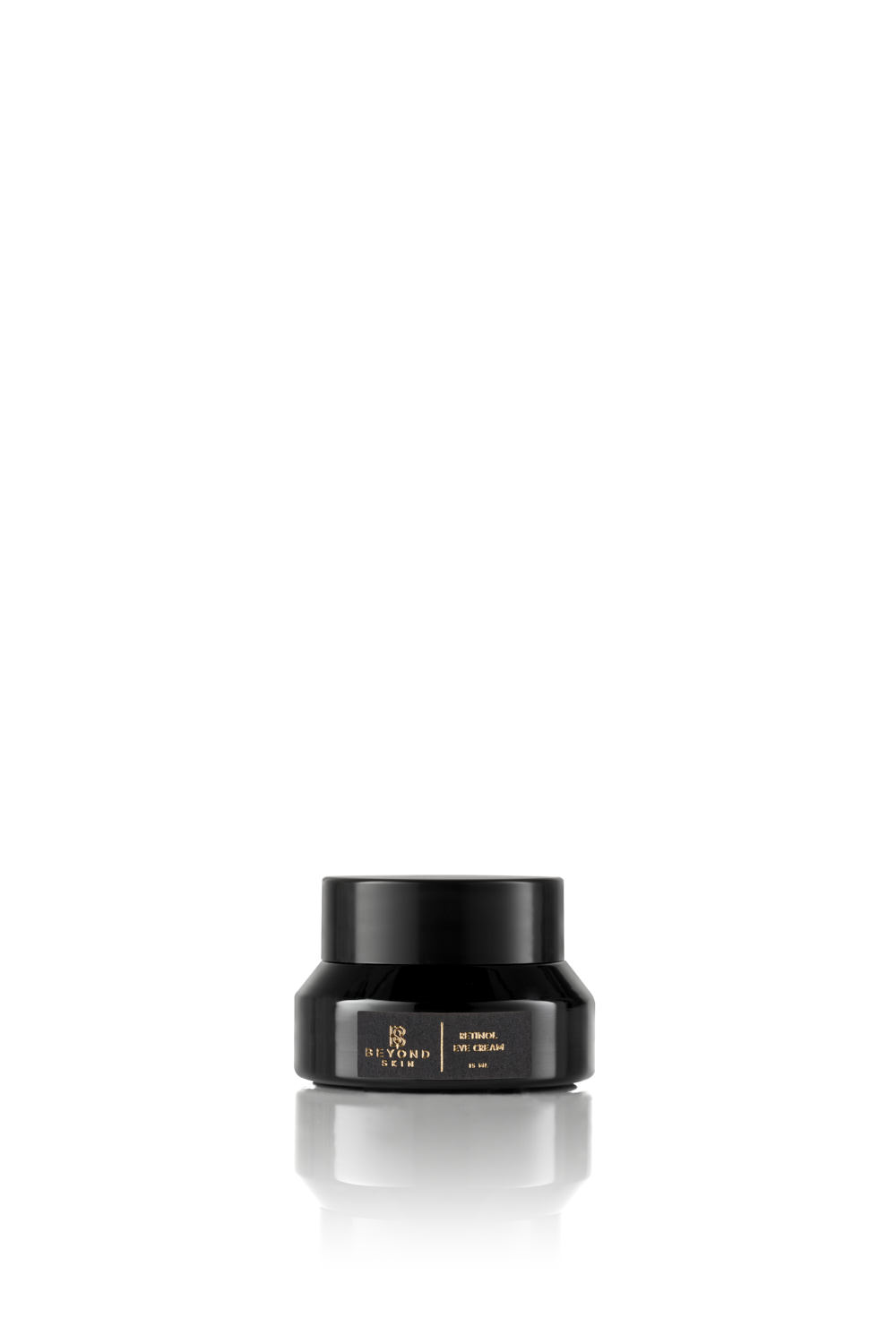
Retinol Eye Concentrate
CONCENTRATED RETINOL EYE TREATMENT FOR FINE LINES AND UNEVEN TEXTURE
£36
PROUD TO BE
CONSULTATION-LED
Skincare is recommended after an in-clinic assessment of your skin, not in place of one.
PROFESSIONAL POSITIONING
Formulated for professional use alongside in-clinic treatments, with realistic expectations set.
EVIDENCE-LED ACTIVES
Every key active is chosen on published ingredient research, referenced on its product page.
A concentrated eye treatment formulated with pure retinol alongside niacinamide, beta-glucan, vitamin E, bisabolol, carnosine and skin-conditioning lipids. Designed specifically for the delicate eye area and formulated with sensitive skin in mind. Targets the appearance of fine lines, uneven texture, tired-looking eyes and loss of smoothness.
At a Glance
What It's Designed to Do
- Help improve the appearance of fine lines around the eye
- Support smoother-looking skin and normal renewal
- Help the eye contour appear fresher and more refined
- Provide hydration and skin-conditioning support
Key Active Ingredients
Retinol
A vitamin A derivative and one of the most extensively researched cosmetic ingredients for visible photoageing.
Helps improve the appearance of fine lines, uneven texture and mottled pigmentation.
Niacinamide
A vitamin B3 derivative.
Conditions the skin and supports the barrier.
Beta-Glucan
A film-forming polysaccharide humectant.
Helps hydrate and condition the delicate eye area.
Bisabolol & Carnosine
Bisabolol is a soothing, skin-conditioning constituent; carnosine is an antioxidant-associated dipeptide.
Helps the eye area feel comfortable and conditioned.
Vitamin E (Tocopherol) & Hydrogenated Lecithin
Tocopherol is a lipid-phase antioxidant; hydrogenated lecithin is a phospholipid emollient.
Supports the lipid barrier and conditions the skin.
06 — THE EVIDENCE
THE EVIDENCE, NOT JUST THE CLAIM.
Skincare marketing can make almost anything sound impressive. We would rather show you the research.
Our Evidence Library connects key active ingredients with published research so you can understand what has been studied, how it was studied, and how relevant that evidence is to the product you're using. Research on an ingredient does not automatically mean the finished Beyond Skin formulation has been clinically tested. When the evidence applies to an ingredient rather than our finished formula, we tell you. No blurred lines. No invented percentages. Just better-informed skincare.
How to Use
- 01Use in the evening only.
- 02Apply a small amount around the orbital area according to manufacturer directions.
- 03Avoid direct contact with the eyes.
- 04Introduce gradually — retinol tolerance varies.
- 05Follow with moisturiser if required.
- 06Use broad-spectrum SPF during the day.
Who It's For
SCIENCE & CLINICAL REFERENCES
The research behind the actives in this product
These references relate to the individual active ingredients, as studied in published research. Unless an entry says otherwise, they are not clinical trials of the finished Beyond Skin formulation — ingredient-level evidence does not mean the finished product has been clinically tested.
- 01
INGREDIENT
Retinol
AUTHOR / STUDY
One-year topical stabilised retinol, double-blind vehicle-controlled trial (62 subjects, 52 weeks).
JOURNAL
Journal of Drugs in Dermatology
YEAR
2015
EVIDENCE TYPE
CONTROLLED CLINICAL TRIAL
WHAT WAS STUDIED
A one-year, double-blind, vehicle-controlled study of a 0.1% stabilised retinol formulation in 62 subjects reported statistically significant improvement in photodamage versus vehicle, including crow's-feet fine lines and mottled pigmentation, with histochemical evidence of increased type I procollagen. An eight-week, double-blind study of a stabilised 0.1% retinol moisturiser also reported significant improvement versus vehicle.
RELEVANCE TO THIS INGREDIENT
To support epidermal renewal and retinoid-responsive pathways associated with dermal remodelling.
These studies investigated a specific 0.1% stabilised retinol formulation. We do not state that Retinol Eye Concentrate achieved the same percentages unless its formulation/concentration and product-specific testing support that conclusion.
VIEW STUDYADDITIONAL STUDY
An eight-week, double-blind, split-face study of a stabilised 0.1% retinol moisturiser (36 subjects) versus vehicle (28 subjects) reported significant improvement in lines, wrinkles, pigmentation, elasticity and overall photodamage.
A stabilised 0.1% retinol facial moisturizer — eight-week double-blind vehicle-controlled study.
VIEW STUDY - 02
INGREDIENT
Niacinamide
AUTHOR / STUDY
Tanno et al., British Journal of Dermatology, 2000.
JOURNAL
British Journal of Dermatology
YEAR
2000
EVIDENCE TYPE
HUMAN CLINICAL STUDY
WHAT WAS STUDIED
Controlled research (Tanno et al., BJD, 2000) demonstrated increased ceramide and stratum-corneum lipid synthesis and reduced transepidermal water loss with topical nicotinamide.
RELEVANCE TO THIS INGREDIENT
For barrier support, ceramide synthesis and uneven-tone support.
Ingredient/formulation evidence, not testing of this eye concentrate.
VIEW STUDY - 03
INGREDIENT
Beta-Glucan
AUTHOR / STUDY
Beta-glucan in skincare — review of clinical applications.
JOURNAL
Food Science & Nutrition
YEAR
2025
EVIDENCE TYPE
CONTROLLED CLINICAL TRIAL
WHAT WAS STUDIED
Clinical evidence supports beta-glucan's hydrating, soothing role; a lab inflammatory study does not directly prove visible anti-ageing performance.
RELEVANCE TO THIS INGREDIENT
For hydration, soothing and barrier support.
Soothing support, not a guarantee of wrinkle reduction.
VIEW STUDY - 04
INGREDIENT
Bisabolol & Carnosine
AUTHOR / STUDY
Bisabolol and carnosine — mechanistic literature.
JOURNAL
Current Pharmaceutical Biotechnology
YEAR
2014
EVIDENCE TYPE
MECHANISTIC / REVIEW EVIDENCE
WHAT WAS STUDIED
Mechanistic and ingredient evidence. A lab inflammatory study on bisabolol does not directly prove visible anti-ageing performance.
RELEVANCE TO THIS INGREDIENT
For soothing and conditioning support.
No exaggerated anti-ageing claim is made without formulation-specific evidence.
VIEW STUDY - 05
INGREDIENT
Vitamin E (Tocopherol) & Hydrogenated Lecithin
AUTHOR / STUDY
Tocopherol in skincare — review literature.
JOURNAL
Annals of the New York Academy of Sciences
YEAR
2004
EVIDENCE TYPE
REVIEW
WHAT WAS STUDIED
We do not repeat older claims that vitamin E 'cleans pores' or improves stretch marks without specific substantiation. This eye product does not replace sunscreen.
RELEVANCE TO THIS INGREDIENT
For antioxidant support, conditioning and formulation stability.
We do not claim hydrogenated lecithin increases delivery of all other actives.
VIEW STUDY
We separate ingredient-level evidence from finished-product clinical evidence. Where research investigates an ingredient, we say so. Where it investigates a finished formulation, we say that too. We do not present one as the other.
WHAT TO USE IT WITH
Build your routine
Build a routine around this product with complementary Beyond Skin formulas selected according to how they fit into your routine.
STEP 01 — CLEANSE
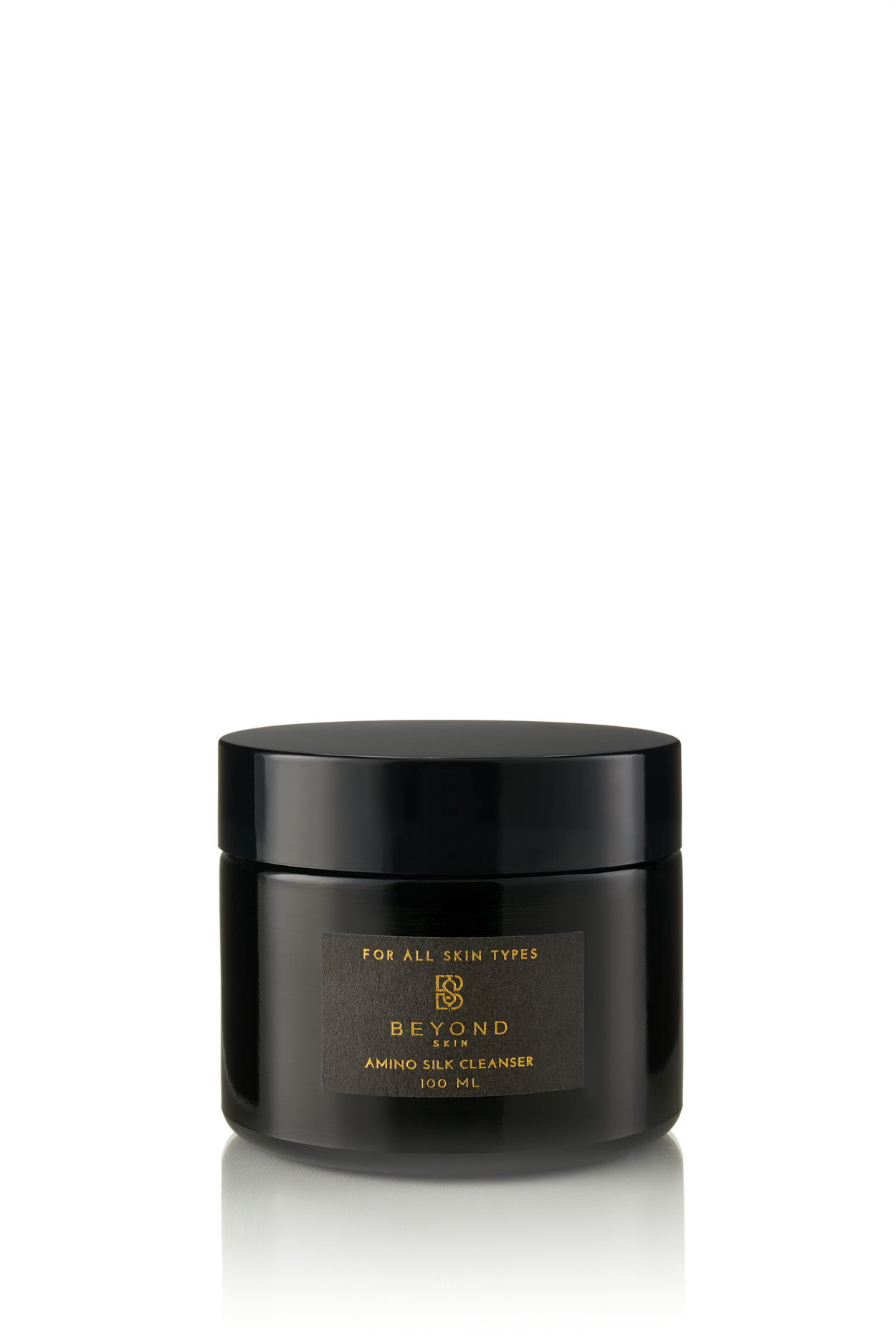
Amino Silk Cleanser
£38
A gentle amino-acid cleanser that cleanses without stripping the barrier.
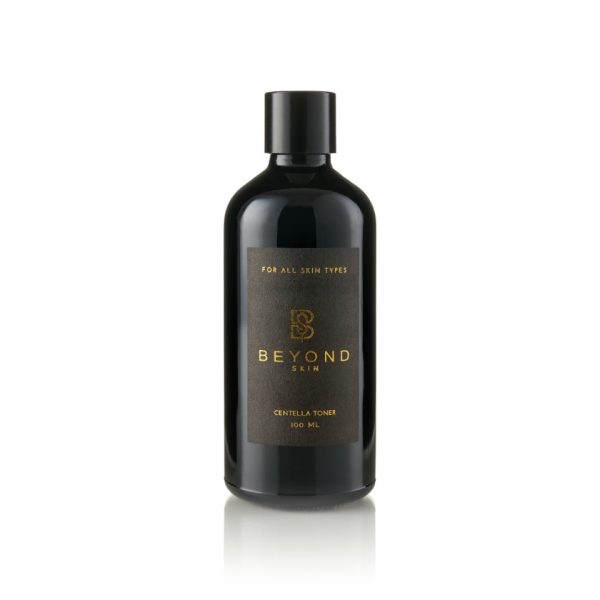
STEP 03 — TREAT
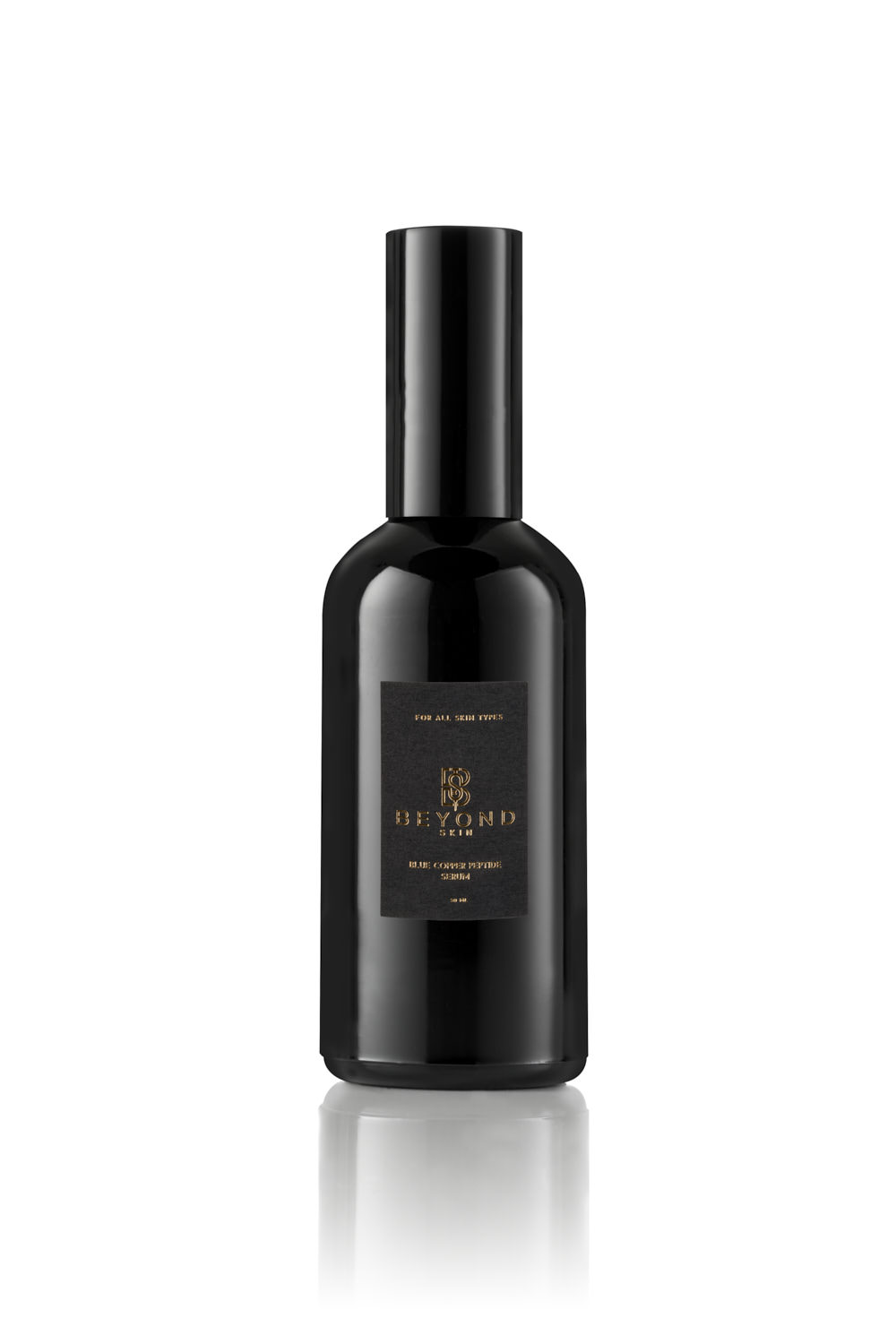
Blue Copper Peptide Serum
£34
A hydrating peptide serum supporting firmer, more resilient-looking skin.
STEP 05 — MOISTURISE
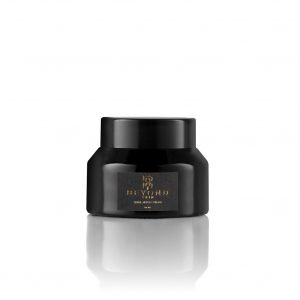
Snail Mucin Moisturiser
£32
A hydrating, supportive final moisturising step for barrier comfort.
YOUR ROUTINE
How it fits together
COMPLETE ROUTINE
Total £170